
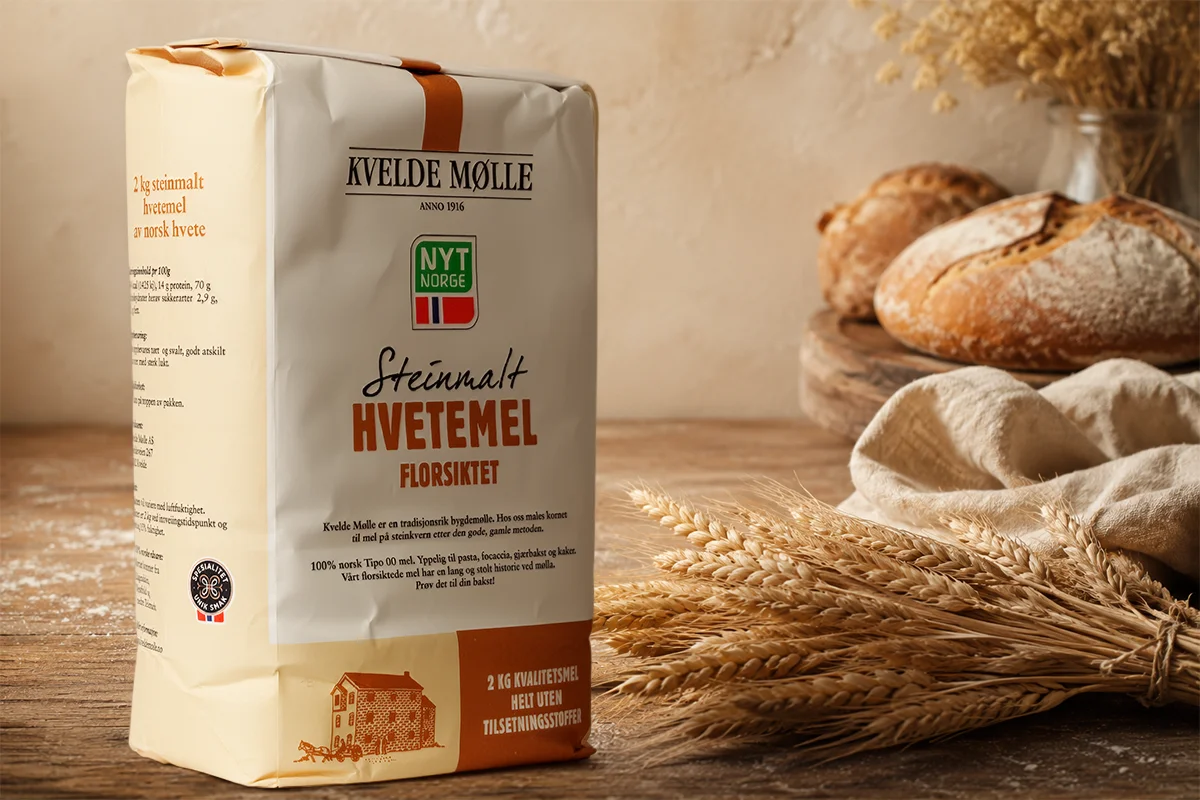
Bak med norsk kvalitetsmel fra Kvelde Mølle
Kvelde Mølle leverer steinmalt mel og bakevarer med røtter i norsk mølletradisjon. Perfekt til brød, boller, pizza og surdeig.
Khobz - Moroccan White Bread
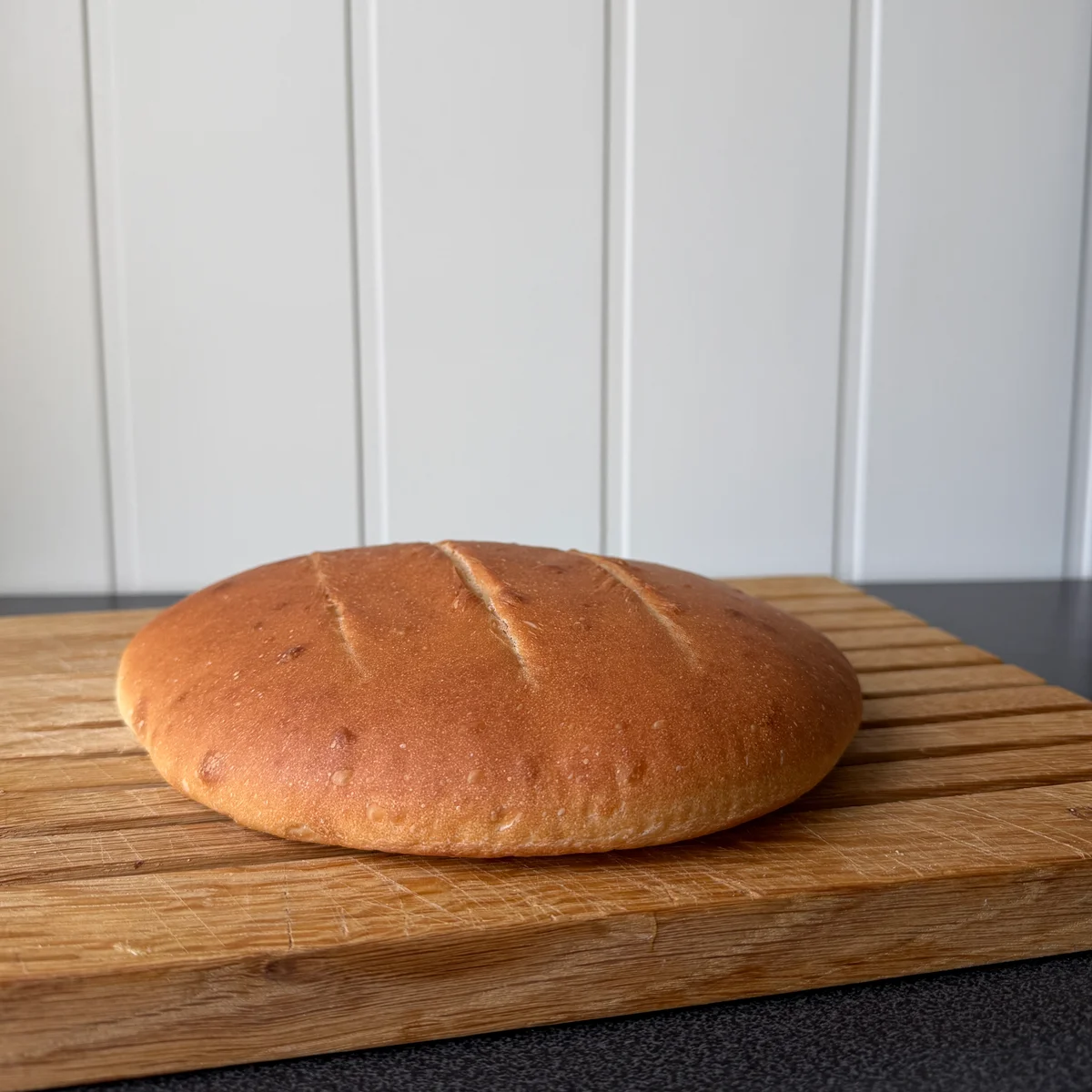
Khobz is the traditional everyday bread in Morocco and is served with almost every meal. Although it is often referred to as flatbread, it is usually significantly thicker than many other well-known flatbreads. Bakery-baked khobz can be several centimeters high and resembles a round, rustic bread more than thin flatbreads like naan or pita. Its characteristic round shape provides plenty of crust, and the crust is one of the most valued aspects of khobz. The bread is used for dipping in tagines, salads, sauces, and other Moroccan dishes, often serving as utensils during the meal. Many Moroccans prefer the flavorful crust so much that they often eat it first, leaving some of the soft interior behind, especially when the bread is extra thick.
Ingredients
- 500 g all-purpose flour (preferably bread flour or high-gluten flour)
- 2 tsp salt
- 2 tsp sugar
- 1 tbsp dry yeast
- 2 tbsp oil (olive oil or neutral cooking oil)
- 315 ml lukewarm water (not hot)
Instructions
- Combine all the ingredients in a stand mixer and knead the dough for about 10 minutes, until it is smooth and elastic. Add a little extra flour or water as needed. The dough should be soft and pliable, but not sticky.
- Divide the dough into two equal pieces and shape them into smooth balls. Place them with plenty of space on a baking sheet lined with parchment paper. Cover with a kitchen towel and let rest for 10–15 minutes.
- Gently flatten the dough balls into round breads, about 6 mm thick. Cover again and let them rise for 45–60 minutes, or until the dough springs back slowly when you press lightly with a finger.
- Preheat the oven to 225 °C.
- Once the breads have risen, make a few shallow cuts on top with a sharp knife or poke them in several places with a fork.
- Bake the breads in the middle of the oven at 225 °C for 20–25 minutes, or until they are golden brown and sound hollow when you tap the bottom lightly.
- Transfer the baked breads to a wire rack or a bread basket, and cover them with a clean kitchen towel while they cool. This keeps the crust soft, as it traditionally should be.
Khobz tastes best freshly baked, preferably still a little warm, and is traditionally served with both simple everyday dishes and festive meals. The bread can be torn apart and used for dipping in sauces, scooping up stews, or enjoyed with olives, cheese, and other small dishes. Although the recipe is simple, khobz is an important part of Moroccan food culture and a bread that brings the family together around the table for nearly every meal.
Images
Bak med norsk kvalitetsmel fra Kvelde Mølle
Kvelde Mølle leverer steinmalt mel og bakevarer med røtter i norsk mølletradisjon. Perfekt til brød, boller, pizza og surdeig.